


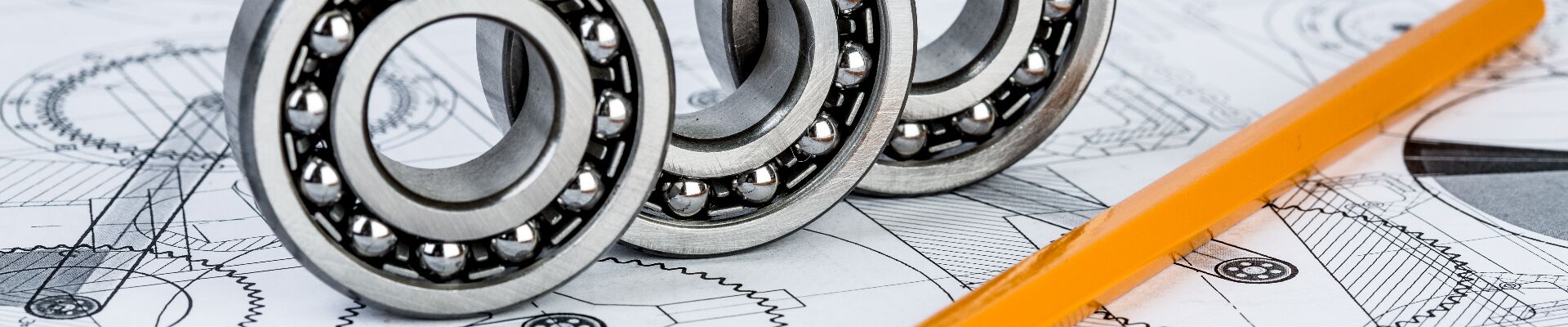
Bearing Rust Removal Methods: Manual Polishing and Chemical Cleaning
Bearings are precision components in mechanical equipment. Rust not only affects operating accuracy but can also accelerate wear. Blindly hammering or forcing rust will only cause further damage. Scientific repair methods should be tailored to the specific situation: light rust is recommended with delicate manual treatment, while heavy rust requires deep chemical cleaning. Below are two effective and practical rust removal methods.
1. Manual Polishing: Gentle Repair, Suitable for Surface Rust
When only slight oxidation or spotting is present on the bearing surface, manual polishing can restore a smooth finish without the use of harsh chemicals.
Initial Polishing: Use 000-grit fine sandpaper or soft emery cloth to evenly rub the rusted area along the bearing raceway, avoiding excessive pressure that may cause scratches.
Graded Polishing: Select a polishing compound based on the severity of the rust, gradually progressing from coarse to fine. For shallow rust, a finished fine polishing compound can be used directly.
Homemade Abrasive Paste Reference: Experienced users can mix chromium chloride, sodium silicate, and stearic acid in appropriate proportions to create a highly effective polishing medium for enhanced polishing results. This method offers advantages in controllability and does not damage the substrate, making it particularly suitable for the maintenance of high-precision bearings or small components.
2.Chemical Dissolution: Powerful Rust Removal for Deep Corrosion
When the rust layer is thick or pitted, physical polishing is inefficient and difficult to completely remove. Chemical rust removal should be used to rapidly remove the oxide through a solution reaction.
Standard Operating Procedure:
Pre-cleaning: Removes oil and impurities to ensure effective contact between the subsequent chemical solution and the metal surface;
Hot Water Rinse: Raises the workpiece temperature to facilitate even acid action;
Pickling Soak: Uses a compound rust removal solution containing chromic anhydride, phosphoric acid, or sulfuric acid, with corrosion inhibitors added to protect the base metal;
Temperature Control: Heats the pickling solution to 60–95°C (depending on the formulation) to significantly increase the reaction rate;
Post-treatment: After the soak, cold water rinsing, alkaline neutralization, passivation for rust prevention, and final oil sealing are performed to prevent secondary oxidation.
Safety Tips: Acidic liquids are highly corrosive. Always wear protective equipment when handling and operate in a well-ventilated environment. Wastewater must be neutralized according to regulations and should not be disposed of carelessly.
Whether pursuing a delicate hand polishing finish or efficient chemical cleaning, the key lies in using the right solution for the right condition. Mastering the correct tool selection, process sequence, and safety protocols will not only extend bearing life but also ensure smooth and reliable equipment operation. In daily maintenance, it is recommended to give priority to low-invasive methods and only use chemical means when necessary to achieve the dual goals of performance recovery and material protection.
Post time: Oct-31-2025


