


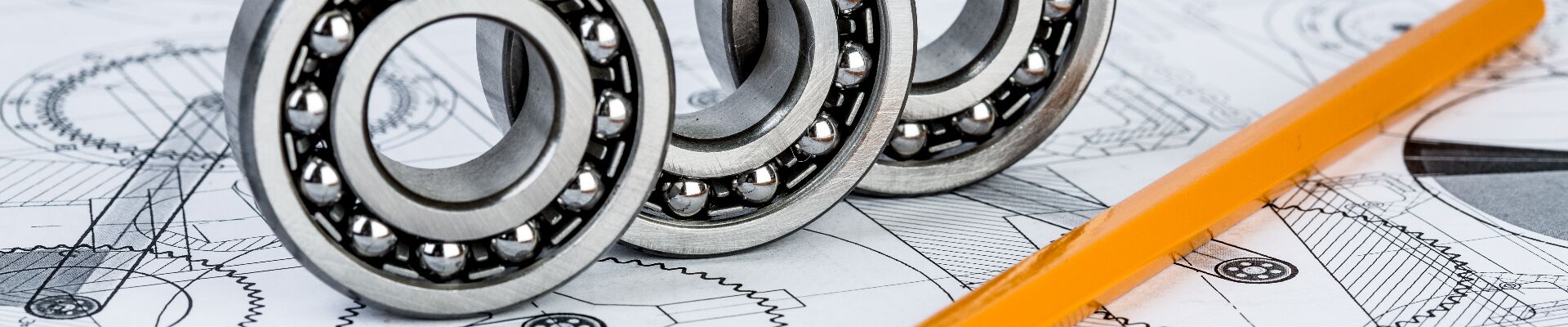
The Application of Paper Machine Bearings:
In the pulp and paper industry, machine efficiency and reliability are crucial to ensuring high-quality production and minimizing downtime. Bearings are one of the key components for the smooth operation of paper machines. Specifically, paper machine bearings play a vital role in a variety of applications throughout the manufacturing process, from pulp preparation to the final stage of paper production.
Paper machine bearings are specifically designed to support rotating shafts and reduce friction between moving parts. They are engineered to withstand the unique challenges of the papermaking environment, including high speeds, heavy loads, and exposure to moisture and chemicals. Selecting the right bearings is crucial, as they not only support the mechanical components but also contribute to the overall efficiency of the papermaking machine.
Application of paper machine bearings
1. Pulp Preparation: The initial stages of papermaking involve processing raw materials, such as wood chips or recycled paper. During this stage, various machines, including pulpers and refiners, utilize bearings to facilitate the movement of blades and rotors. The reliability of these bearings is crucial, as any failure can cause significant production delays.
2. Paper Forming: After pulp is prepared, it is formed into paper on a papermaking machine. This process involves multiple components, including forming wires and rollers, which require bearings to rotate. The bearings used in this application must be able to withstand the weight of the wet pulp as well as the dynamic forces generated during the paper forming process.
3. Press Section: In the press section of a paper machine, the moisture content of paper is reduced through mechanical compression. Bearings in this section must withstand high pressure and temperatures while maintaining precise alignment. The performance of these bearings directly impacts the quality of the final product, making their reliability crucial.
4. Drying Section: After pressing, the paper is conveyed to the drying section, where it is heated to remove any residual moisture. Bearings in this section must be resistant to thermal expansion and capable of operating in high-temperature environments. Because the bearings support the rollers required for paper drying, their performance significantly impacts the efficiency of the drying process.
5. Calendering: The calendering process involves passing paper through a series of rollers to achieve the desired thickness and smoothness. The bearings in this application must provide precise control and stability to ensure uniformity in the final product. Any misalignment or failure of these bearings can cause defects in the paper, affecting its quality and marketability.
In short, paper machine bearings are essential to the efficient operation of the pulp and paper industry. Their applications span every production stage, from pulp preparation to final reel winding. Selecting high-quality bearings tailored to the specific application requirements is crucial to maintaining productivity, reducing maintenance costs, and ensuring the overall quality of the paper. As technology advances, the development of stronger and more efficient bearings will continue to play a significant role in improving paper machine performance, ultimately benefiting the entire industry.
Post time: Sep-22-2025


