


The Applications of Robotic Bearing
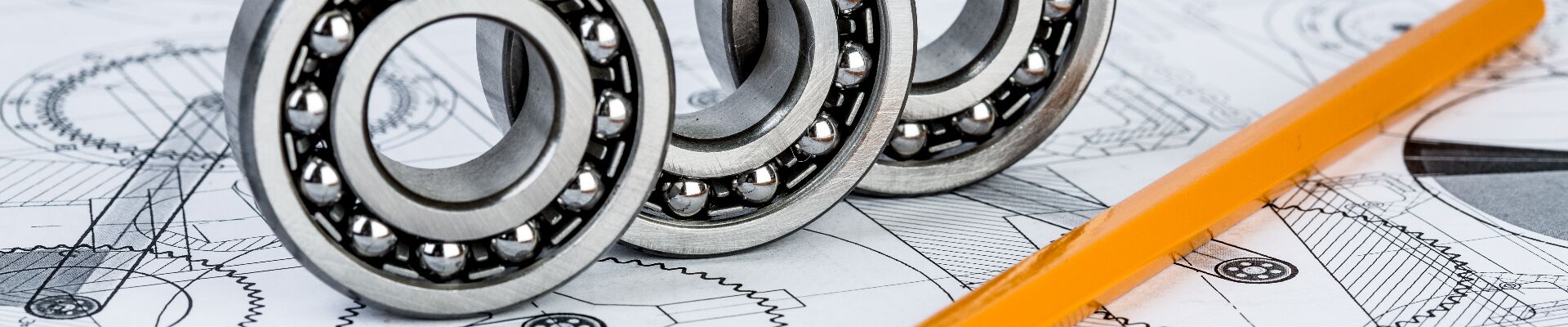
Robotic bearings are precision-engineered components designed to support and facilitate the motion of robotic joints and mechanisms. Robotic bearings are used across a wide range of industries. In manufacturing, they are crucial for robotic arms that perform tasks such as welding, painting, and assembly. In the medical field, robotic bearings are used in surgical robots that require high precision and reliability. Furthermore, in the automotive industry, bearings are crucial for robotic systems involved in assembly lines and quality control
1. Manufacturing and Assembly Lines: One of the most prominent applications for robotic bearings is in manufacturing and assembly lines. Robots equipped with high-performance bearings can perform repetitive tasks with precision and speed, significantly improving productivity. For example, in automotive assembly, robotic arms utilize bearings to handle heavy components, ensuring smooth and efficient operation.
2. Medical Robotics: In the medical field, robotic bearings are crucial for surgical robots and rehabilitation equipment. These bearings must meet stringent hygiene and precision standards, as they are often used in delicate surgeries. The use of robotic bearings in medical robots can enhance the precision of surgical instruments, thereby improving patient outcomes and shortening recovery time.
3. Aerospace & Defense: The aerospace industry relies heavily on robotics for manufacturing and maintenance tasks. Robotic bearings have a wide range of applications, from assembling aircraft components to performing inspections. Their ability to operate under extreme conditions, such as high temperature and pressure, makes them indispensable components in this sector.
4. Logistics and Warehousing: With the rise of e-commerce, the level of automation in the logistics and warehousing industries has increased significantly. Robotic bearings are an integral part of automated guided vehicles (AGVs) and robotic picking systems. These systems require bearings that can withstand dynamic loads and provide long-term reliable performance to ensure efficient material handling and inventory management.
5. Agriculture: As farmers seek to increase productivity and reduce labor costs, the use of robotic bearings in agriculture is gaining traction. Autonomous tractors and drones equipped with advanced bearings can precisely perform tasks such as planting, harvesting, and monitoring crops. This not only improves efficiency but also minimizes the environmental impact of agricultural production.
The application of robotic bearings is transforming how industries operate, improving efficiency and precision across a wide range of sectors. As technology continues to advance, the demand for high-performance robotic bearings will only grow. By investing in innovative bearing solutions, companies can enhance their robotic systems, thereby increasing productivity and competitiveness in the global market. Looking ahead, the role of robotic bearings in automation and robotics will undoubtedly continue to expand, paving the way for entirely new possibilities in manufacturing, healthcare, logistics, and other fields.
Post time: Oct-09-2025


