


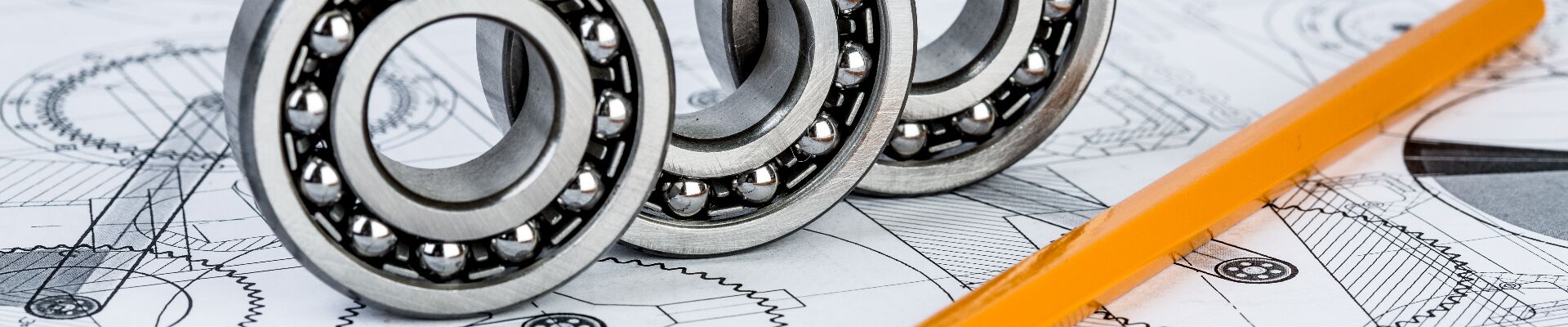
Thin-section bearings
In the field of mechanical engineering and design, bearings play a vital role in facilitating smooth motion and reducing friction between moving parts. Among various types of bearings, thin-walled bearings have garnered significant attention due to their unique design and performance characteristics. This article delves into the characteristics, advantages, and applications of thin-walled bearings, highlighting their importance in modern engineering.
What’s is Thin-Walled Bearings
Thin-section bearings are specialized bearings characterized by thinner walls than conventional bearings. This design allows for lightweight construction while maintaining the strength and durability required for a variety of applications. The cross-section design of these bearings is typically designed to optimize load distribution and minimize stress concentrations, which is crucial for improved bearing performance and service life.
Thin-wall designs are particularly advantageous in applications where space and weight are critical. By reducing the overall mass of a bearing, engineers can create more efficient systems that consume less energy and generate less heat during operation. This is particularly important in industries like aerospace, automotive, and robotics, where every gram counts and efficiency is paramount.
Advantages of thin-section bearings
1. Weight reduction: One of the most significant advantages of thin-wall bearings is their light weight. This weight reduction can improve vehicle fuel efficiency and reduce energy consumption in machinery.
2. Space Efficiency: The compact design of thin-section bearings enables them to be integrated into tight spaces where conventional bearings cannot fit. This is particularly useful in applications such as electric motors and compact machinery.
3. Enhanced Performance: Optimized cross-sectional design helps distribute loads more evenly, reducing the risk of premature wear and failure. This extends service life and improves reliability in critical applications.
4. Versatility: Thin-section bearings can be manufactured from a variety of materials, including metals, plastics, and composites. This versatility allows engineers to select the most appropriate material for the specific application, taking into account factors such as temperature, corrosion resistance, and load capacity.
5. Cost-effectiveness: While the initial cost of thin-wall bearings may be higher than traditional bearings, their durability and performance can reduce maintenance costs and downtime, making them a cost-effective choice in the long run.
Application of thin-section bearings
Thin-section bearings are used across a wide range of industries. In the automotive sector, they are often used in engine, transmission, and suspension systems, where reducing weight and improving efficiency are crucial. In aerospace, these bearings are crucial for reducing the weight of aircraft components, saving fuel, and improving performance.
In robotics and automation, thin-wall bearings enable the design of compact, lightweight robotic arms and mechanisms, improving their flexibility and responsiveness. They are also increasingly used in medical devices, where precision and reliability are crucial.
Thin-section bearings represent a significant advancement in bearing technology, offering numerous advantages that meet the demands of modern engineering. Their lightweight, space-saving design, combined with enhanced performance and versatility, makes them ideal for a wide range of applications. As industries continue to prioritize efficiency and innovation, the role of thin-section bearings is expected to expand, opening up new possibilities in mechanical design and engineering.
Post time: Oct-13-2025


