


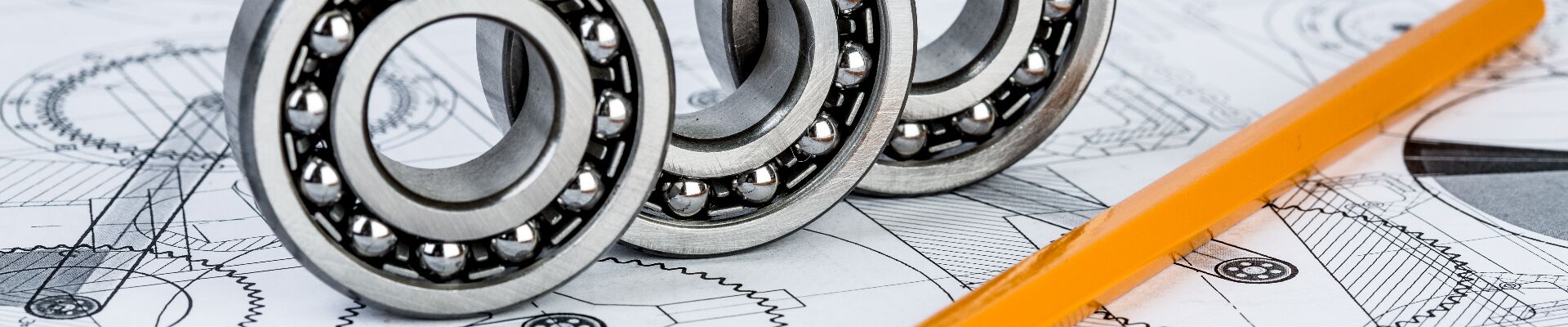
What’s of gearbox bearings
In mechanical engineering, gearboxes are key components, playing a vital role in the transmission of power and torque. Gearboxes are used in a wide range of applications, from automobiles to industrial machinery, where their efficiency and reliability are paramount. Gearbox bearings are one of the key components that influence gearbox performance. Among the various bearings used in gearboxes, cylindrical roller bearings stand out due to their unique design and functionality.
Gearbox bearings are components specifically designed to support rotating shafts within gearboxes. They facilitate smooth motion, reduce friction, and absorb the loads generated during operation. The choice of bearing type significantly impacts the overall performance, durability, and efficiency of the gearbox. Gearbox bearings must withstand high radial and axial loads, operate at varying speeds, and withstand harsh environmental conditions.
The Importance of Cylindrical Roller Bearings
Cylindrical roller bearings are a popular choice for gearbox applications because they can accommodate large radial loads and relatively high speeds. These bearings consist of cylindrical rollers arranged between inner and outer rings. This design increases the contact area between the rollers and raceways, reducing stress on the bearing surface and improving load distribution.
One of the main advantages of cylindrical roller bearings in gearbox applications is their ability to accommodate misalignment. This is particularly important in gearboxes, where manufacturing tolerances or operational stresses can cause slight misalignment. The inherent design of cylindrical roller bearings allows them to function properly even with misalignment, thereby increasing gearbox reliability.
Cylindrical roller bearings have several performance characteristics that make them suitable for gearbox applications:
1. High load capacity: The design of cylindrical roller bearings enables them to support high radial loads, making them ideal for gearboxes that are subject to huge forces during operation.
2. Low friction: Compared to other types of bearings, the rolling motion of cylindrical rollers produces lower friction, resulting in higher efficiency and reduced heat generation.
3. Durability: With proper lubrication and maintenance, cylindrical roller bearings can provide a long service life, reducing the need for frequent replacement and minimizing downtime.
4. Versatility: These bearings are available in a variety of configurations, including single-row, double-row, and multi-row designs, enabling engineers to select the most appropriate option for specific gearbox requirements.
Application in gearbox
Cylindrical roller bearings are widely used in various types of gearboxes, including:
Automotive Transmission: In vehicles, cylindrical roller bearings are used in manual and automatic transmissions to support the input and output shafts, ensuring smooth gear shifting and efficient power transmission.
Industrial Gearboxes: In the manufacturing and processing industries, these bearings are used in gearboxes that drive conveyor systems, pumps, and other machinery, where reliability and performance are critical.
Wind turbines: In renewable energy applications, cylindrical roller bearings are used in wind turbine gearboxes, helping to convert the rotational energy of the blades into electricity.
Gearbox bearings, particularly cylindrical roller bearings, play a vital role in the performance and reliability of gearboxes across a wide range of applications. Their ability to withstand high loads, accommodate misalignment, and operate efficiently under harsh conditions makes them a top choice for engineers and manufacturers. As technology continues to advance, the development of more efficient and durable bearing solutions will further enhance gearbox performance and drive innovation in mechanical engineering and beyond.
Post time: Oct-15-2025


