


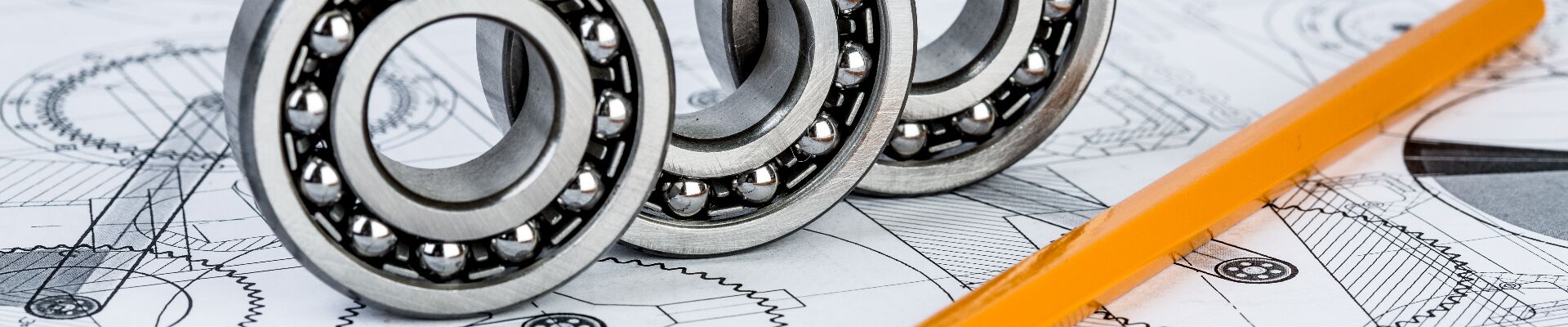
What is a tensioner bearing?
Tensioner bearings are critical components in various mechanical systems, especially automotive engines. They play a vital role in maintaining proper tension in belts and chains, ensuring these components operate smoothly and efficiently. Understanding how tensioner bearings work and how they function can help vehicle owners and mechanics better understand their importance to engine performance and life.
The function of the tensioner bearing
In an internal combustion engine, multiple belts and chains are responsible for transmitting power between various components. For example, the timing belt or chain synchronizes the rotation of the crankshaft and camshaft, while a serpentine belt drives various accessories such as the alternator, power steering pump, and air conditioning compressor. Tensioner bearings are designed to maintain tautness on these belts and chains, preventing slippage and ensuring they operate at the correct tension.
A belt or chain that's too loose can cause a variety of problems, including reduced engine performance, increased component wear, and even catastrophic engine failure. Conversely, if the tension is too high, it puts excessive strain on bearings and other components, causing premature wear and potential failure. Tensioning bearings helps achieve proper balance for optimal engine performance and life.
Types of tensioner bearings
There are several types of tensioner bearings, each designed for a specific application. The most common types include:
1. Mechanical tensioners: These devices are spring-loaded and automatically adjust the tension of the belt or chain as it wears. They are commonly used in timing belt systems and are designed to maintain constant tension without manual adjustment.
2. Hydraulic Tensioner: This type of tensioner uses hydraulic pressure to maintain belt or chain tension. They are generally more precise than mechanical tensioners and can adapt more quickly to tension changes. Hydraulic tensioners are common in modern engines, where precision is crucial for performance.
3. Idler: While not technically a tensioner, idlers work in conjunction with the tensioner bearing to guide and support the belt or chain. They help maintain proper alignment and reduce friction, increasing the overall efficiency of the system.
Tensioner bearings are critical components for ensuring smooth operation of your vehicle's engine belts and chains. By maintaining correct tension, they help prevent slippage and excessive wear, thereby improving overall engine performance and lifespan. Regular maintenance and timely replacement of worn tensioner bearings can save vehicle owners costly repairs and ensure their engines run efficiently for years to come. Understanding the role and function of tensioner bearings is crucial for anyone interested in maintaining the health and performance of their vehicle.
Post time: Sep-17-2025


