


What's the wheel hub bearings and applications
Wheel hub bearings are critical components in the automotive industry, vital to vehicle performance and safety. These bearings are designed to support the vehicle's weight while ensuring smooth wheel rotation. Understanding wheel hub bearing applications is crucial for both automotive professionals and car owners, as it can significantly impact vehicle maintenance and performance.
What are wheel hub bearings?
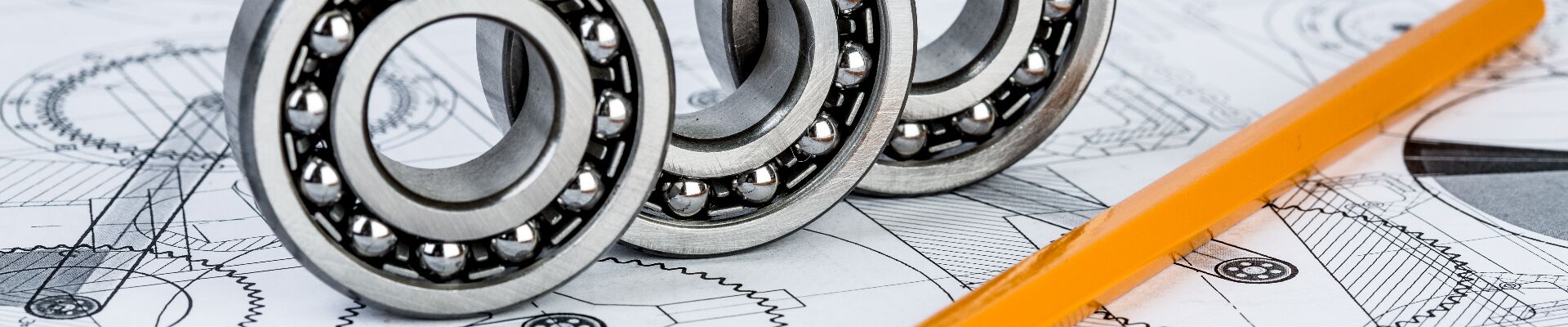
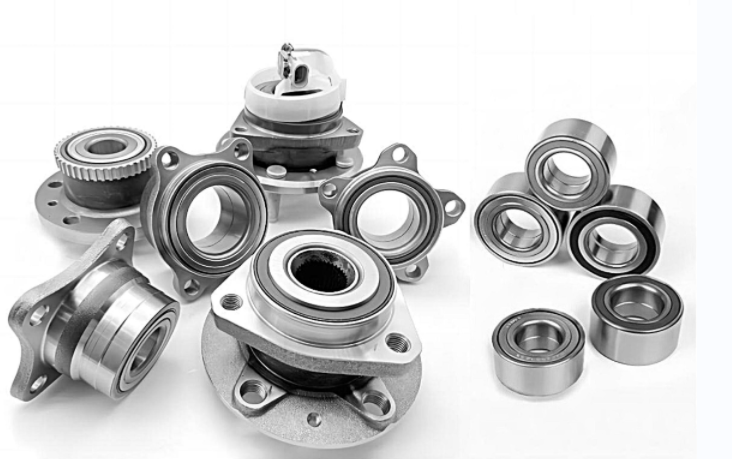
A wheel hub bearing is a rolling element bearing mounted on the wheel hub, which connects the wheel to the axle. It consists of an inner ring, an outer ring, rolling elements (usually balls or rollers), and a cage that holds the rolling elements in place. The primary function of a wheel hub bearing is to reduce friction between the wheel and axle, enabling smooth rotation and efficient movement.
Application of wheel hub bearings
1. Passenger Cars: In passenger cars, wheel hub bearings are crucial for ensuring a smooth ride. They support the vehicle's weight, allowing the wheels to rotate freely. Their design is crucial to handling the dynamic loads of acceleration, braking, and cornering. Regular maintenance and timely replacement of worn bearings can prevent problems such as wheel misalignment and uneven tire wear.
2. Commercial Vehicles: In larger vehicles like trucks and buses, wheel hub bearings are subject to increased loads and stresses. These bearings are designed to withstand heavy loads, ensuring vehicles can carry considerable weight without compromising safety. The durability and reliability of commercial vehicle wheel hub bearings are crucial, as they directly impact vehicle performance and operating costs.
3. Off-road vehicles: Off-road vehicles, including SUVs and all-terrain vehicles, require robust wheel bearings to handle rough terrain and extreme conditions. These bearings are typically sealed to prevent dust and debris from entering and prematurely wearing. Off-road wheel bearings utilize specialized materials and designs to enhance their performance in harsh environments.
4. Electric and Hybrid Vehicles: With the rise of electric and hybrid vehicles, the application of wheel hub bearings is also evolving. These vehicles often have different weight distribution and torque characteristics than traditional internal combustion engine vehicles. Manufacturers are developing advanced wheel hub bearings that can adapt to these changes to ensure optimal performance and energy efficiency.
5. Motorcycles and Bicycles: Wheel hub bearings are crucial not only for automobiles but also for motorcycles and bicycles. In these applications, bearings must be lightweight yet strong enough to withstand the forces generated during riding. The design and materials of these bearings are tailored to achieve a balance between performance and weight, thereby enhancing the overall riding experience.
Wheel hub bearings are essential components for a wide range of vehicles, from passenger cars to heavy trucks and SUVs. Their primary function is to support the vehicle's weight while ensuring smooth wheel rotation.
Post time: Sep-12-2025


